What Is a Sustainable Urban Drainage System (SuDS)? Best Practices for Modern Developments
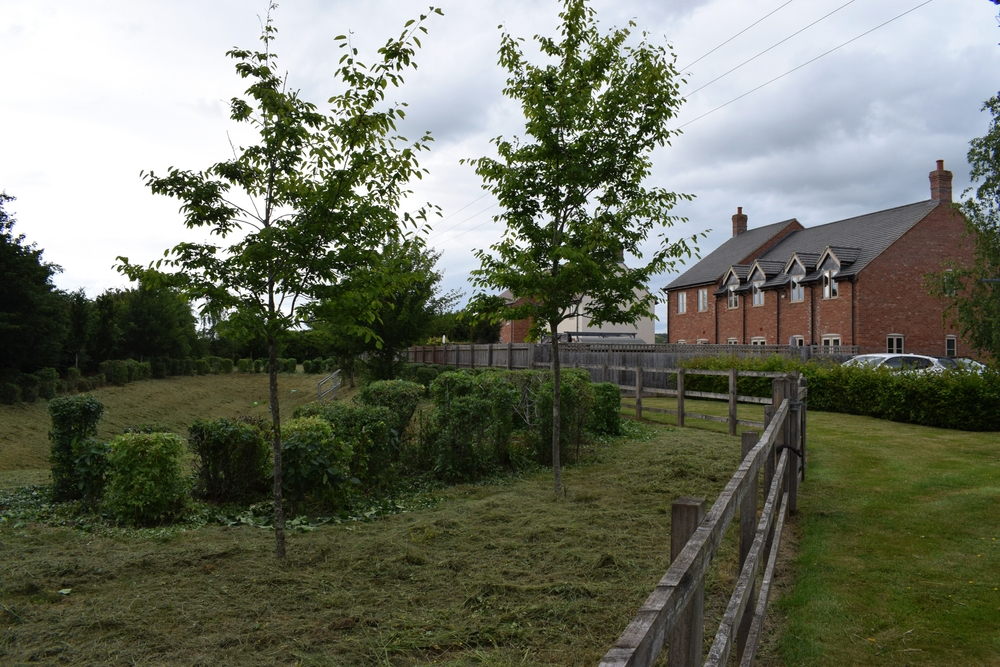
If you have come across the term sustainable urban drainage system (SuDS) and are wondering what it means, it refers to a more effective way of managing rainwater and surface water runoff in built-up areas.
Instead of sending water straight into pipes and sewers as quickly as possible, a sustainable urban drainage system (SuDS) is designed to slow water down, store it, filter it, and in some cases reuse it. This helps reduce flood risk, improve water quality, and support greener, healthier places.
For developers, planners, contractors, and property owners, understanding what is a sustainable urban drainage system (SuDS) is important when planning new developments, upgrades, and long-term drainage strategies.
In this guide, we cover what SuDS are, why they matter, the main SuDS features, and best practices for planning, design, and maintenance.
What Is a Sustainable Urban Drainage System (SuDS)?
A sustainable urban drainage system (SuDS) is a drainage approach that manages rainfall in a way that better reflects how water behaves in nature.
In natural landscapes, rainwater soaks into the ground, is taken up by plants, evaporates, or moves slowly into watercourses. In built environments, hard surfaces like roads, roofs, and paving stop that from happening. This can lead to faster runoff, more pressure on drains and sewers, and a greater risk of flooding.
A sustainable urban drainage system (SuDS) helps address that by using features that can:
- Slow down surface water runoff
- Store water temporarily
- Allow infiltration where ground conditions are suitable
- Filter pollutants before discharge
- Reduce pressure on sewer networks and watercourses
- Improve the appearance and environmental value of a site
SuDS can be used in residential developments, commercial sites, schools, public spaces, roads, car parks, and retrofit projects.
Why Is a Sustainable Urban Drainage System (SuDS) Important?
Understanding what is a sustainable urban drainage system (SuDS) is not just about definitions. It is also about knowing why SuDS are now such an important part of modern development.
Reducing Surface Water Flood Risk
A sustainable urban drainage system (SuDS) helps manage rainfall at or near the surface, which reduces peak runoff and lowers the risk of flooding on-site and downstream.
Improving Water Quality
SuDS features can help trap sediments and filter pollutants before water reaches drains, sewers, rivers, or other watercourses.
Supporting Biodiversity
Features such as swales, rain gardens, and ponds can create habitats for plants, insects, and wildlife, especially when they are designed as part of a wider landscaping plan.
Improving Amenity and Visual Appeal
A sustainable urban drainage system (SuDS) can add value to a site by creating green spaces that look better and can be used by residents, staff, or visitors.
Supporting Long-Term Site Resilience
With changing weather patterns and more intense rainfall events, SuDS can help developments cope more effectively with surface water over time.
What Are the Core Principles of a Sustainable Urban Drainage System (SuDS)?
Good SuDS design is based on a few key principles. These help ensure the system works well in practice and delivers long-term benefits.
Mimic Natural Drainage Processes
SuDS should be designed to reflect natural water movement as closely as possible, including infiltration, attenuation, and evapotranspiration.
Manage Water Close to the Source
Water should be managed near where it falls wherever possible. This reduces runoff volumes and flow rates and helps prevent pressure building up elsewhere in the system.
Use a Multi-Stage Approach
A good sustainable urban drainage system (SuDS) often uses more than one feature. Water can move through a series of stages that slow, store, and treat runoff across the site.
Deliver More Than Drainage
The best SuDS schemes do more than move water. They can also improve water quality, biodiversity, landscaping, and the overall usability of a space.
What Are the Main Types of Sustainable Urban Drainage System (SuDS) Features?
Most SuDS schemes combine several components to create an effective drainage strategy. Below are some of the most common features and good practice points for each.
Permeable Pavements
Permeable pavements allow water to pass through the surface into a sub-base layer where it can be stored, infiltrated, or released slowly.
Best Practices for Permeable Pavements
- Design the sub-base depth to suit traffic loading and site conditions
- Use suitable materials for the intended use, such as driveways, parking areas, or access roads
- Maintain the surface regularly to reduce the risk of clogging
- Integrate permeable paving with other SuDS features for better overall performance
Rain Gardens and Bioretention Areas
Rain gardens and bioretention areas are planted features that collect and filter runoff from hard surfaces such as roofs, roads, and paved areas.
Best Practices for Rain Gardens and Bioretention Areas
- Choose plants suited to local conditions and able to cope with wet and dry periods
- Size the feature based on expected runoff volumes
- Use appropriate soil media and drainage layers where required
- Include an overflow route for heavy rainfall events
- Plan for routine vegetation maintenance from the start
Swales and Filter Strips
Swales are shallow vegetated channels that convey and treat surface water runoff. Filter strips are gently sloping vegetated areas that slow and filter runoff before it enters another drainage feature.
Best Practices for Swales and Filter Strips
- Maintain suitable gradients to support flow while avoiding erosion
- Avoid soil compaction during construction and maintenance
- Manage vegetation regularly to keep the feature working properly
- Inspect for sediment build-up, standing water, and blockages
- Link swales and filter strips into the wider SuDS layout
Detention and Retention Ponds
Detention ponds store runoff temporarily and release it at a controlled rate. Retention ponds hold a permanent body of water and can provide storage and environmental benefits.
Best Practices for Detention and Retention Ponds
- Design capacity to cope with peak flows and storm events
- Include controlled outfalls to manage discharge rates
- Stabilise banks and edges with suitable planting
- Use varied planting zones to support biodiversity and treatment benefits
- Install safety measures where needed, especially in publicly accessible areas
Green Roofs
Green roofs are vegetated roof systems that absorb rainfall and reduce runoff from buildings.
Best Practices for Green Roofs
- Select the right green roof type for the building structure and project objectives
- Install suitable waterproofing, root barriers, and drainage layers
- Choose planting that suits roof conditions and maintenance levels
- Provide irrigation and monitoring during establishment where required
- Include long-term maintenance in the building management plan
Rainwater Harvesting Systems
Rainwater harvesting systems collect and store rainwater from roofs for reuse, helping manage runoff and reduce demand on mains water.
Best Practices for Rainwater Harvesting Systems
- Size storage tanks based on rainfall patterns and expected water demand
- Install filtration appropriate for the intended use
- Maintain gutters, filters, and tanks regularly
- Ensure overflow connections work with the wider drainage design
- Allow safe access for inspection and servicing
How Should a Sustainable Urban Drainage System (SuDS) Be Planned and Designed?
If you are looking at what is a sustainable urban drainage system (SuDS) for a live project, planning and design decisions will make a major difference to how well it performs.
Site Assessment and Ground Investigation
Start with a proper understanding of the site. This may include topographical surveys, ground investigations, and hydrological analysis to identify what type of SuDS approach is suitable.
Integrate SuDS Into the Site Layout Early
A sustainable urban drainage system (SuDS) should be built into the site design from the beginning, not added later as a fix. This helps drainage, landscaping, access, and building design work together.
Consider the Wider Catchment and Drainage Network
SuDS design should look beyond the site boundary where relevant. Understanding how the site connects to local drainage systems and catchments can improve overall outcomes.
Involve the Right Stakeholders Early
Early input from designers, drainage specialists, contractors, and site owners can help avoid redesigns and improve buildability and long-term maintenance.
Meet Planning and Regulatory Requirements
SuDS proposals should align with local planning requirements, drainage guidance, and environmental standards. Early coordination can save time and reduce delays.
How Do You Maintain a Sustainable Urban Drainage System (SuDS)?
A sustainable urban drainage system (SuDS) needs regular maintenance to keep working properly. Even well-designed systems can lose performance if they are not looked after.
Maintenance Plans for SuDS Features
Each SuDS component should have a clear maintenance plan covering routine tasks such as:
- Debris removal
- Vegetation management
- Sediment removal
- Inlet and outlet inspections
- Surface cleaning for permeable paving
- Checks on control structures and overflow routes
Maintenance responsibilities should be agreed and documented from the start.
Performance Monitoring and Inspections
Regular inspections help confirm the system is doing what it is meant to do, including runoff control, water quality improvement, and habitat support where relevant.
Adapting Maintenance Over Time
SuDS should be managed as part of an ongoing site strategy. Maintenance regimes may need to change based on monitoring results, seasonal conditions, and changes in site use.
Why SuDS Best Practices Matter for Long-Term Performance
Knowing what is a sustainable urban drainage system (SuDS) is the first step. Applying SuDS best practice in planning, design, and maintenance is what makes the difference in the long term.
When a sustainable urban drainage system (SuDS) is planned and delivered properly, it can:
- Reduce flood risk
- Improve water quality
- Support biodiversity
- Add visual and amenity value
- Improve long-term site resilience
For developers and property owners, that means better drainage performance and fewer problems later.
Plan Your SuDS Strategy Early for Better Results
If you are planning a new development, site upgrade, or drainage improvement project, understanding what is a sustainable urban drainage system (SuDS) and applying best practice early can help you avoid problems and improve long-term results.
At Logical Drainage Solutions, we provide practical drainage support and clear recommendations tailored to site requirements.
Contact Logical Drainage Solutions to discuss your project and get expert support with sustainable urban drainage systems (SuDS) planning and drainage solutions.