What Causes Blocked Drains? Key Reasons & How to Prevent Them
Blocked drains can cause unpleasant smells, slow water flow, and even flooding if left untreated. While some blockages happen suddenly, most build up gradually over time. Understanding what causes blocked drains is the first step towards preventing them.
Hair
Hair is one of the most common causes of blocked bathroom drains. Strands easily tangle with soap scum and other debris, forming clumps that restrict water flow. This build-up happens slowly, so you might not notice until the water starts draining more slowly than usual.
Prevention: Fit a drain cover or hair catcher in showers and baths, brush hair before washing, and clear the plughole regularly.
Grease, Fat & Oil
Pouring cooking fat or oil down the sink might seem harmless, but as it cools, it solidifies on pipe walls. Over time, these layers can create serious clogs, even contributing to large “fatbergs” in sewer systems.
Prevention: Collect cooled fat in a container and dispose of it in the bin. Wipe greasy pans before washing and flush sinks with hot water and detergent to help prevent build-up.
Food Waste
Small scraps, coffee grounds, pasta, and rice can all contribute to blockages. Starchy foods swell in water, while coffee grounds can settle and combine with grease to form stubborn clogs.
Prevention: Scrape plates into the bin or compost, use a sink strainer, and avoid putting coffee grounds or fibrous vegetable peelings down the sink.
Non-Flushable Items
Items such as wet wipes, sanitary products, paper towels, and cotton buds should never be flushed. Even products labelled “flushable” often fail to break down sufficiently, causing them to snag inside pipes and create obstructions.
Prevention: Only flush human waste and toilet paper. All other materials should be disposed of in a suitable bathroom waste bin.
Tree Roots
Roots naturally seek out moisture, and if they find a crack or loose joint in underground pipes, they can grow inside. As they expand, they trap debris and may even cause the pipe to collapse.
Prevention: Avoid planting trees close to drainage lines, and book regular CCTV drain surveys if your property has older pipes or mature trees nearby.
Limescale
In hard water areas like London and much of the South East, mineral deposits can build up inside pipes. This narrows the pipe and gives grease and debris more surfaces to cling to, increasing the likelihood of blockages.
Prevention: Consider a water softener, and periodically flush drains with a vinegar solution to help dissolve deposits.
Leaves & Outdoor Debris
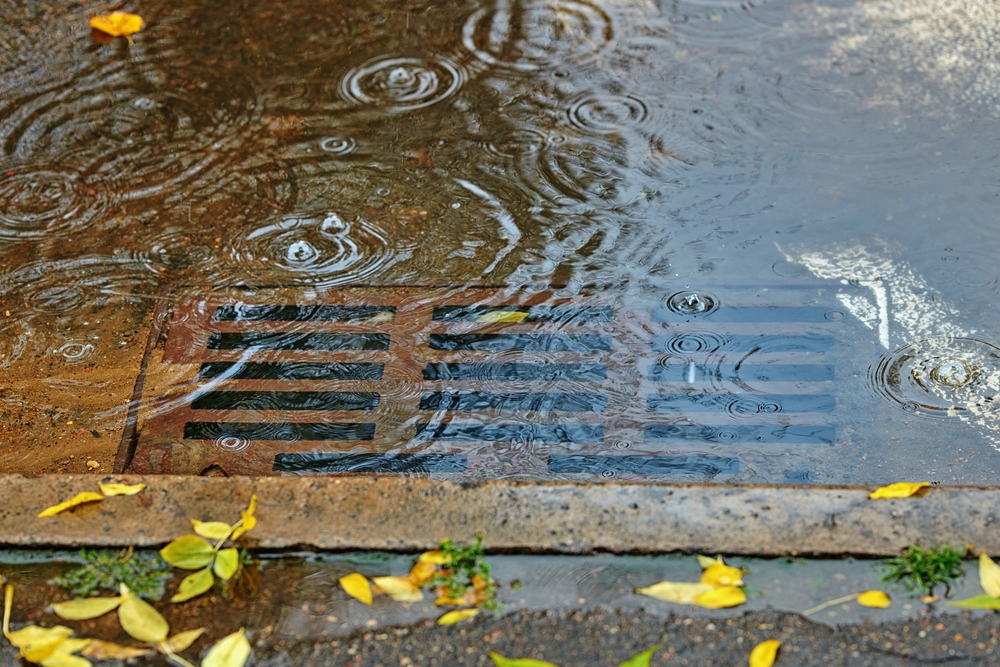
External drains often become blocked by leaves, dirt, and other debris, especially during autumn or after heavy rainfall. This can cause water to pool around your property and increase the risk of flooding.
Prevention: Keep gutters, downpipes, and yard drains clear. Install drain guards to stop debris entering the system.
General Prevention Tips
- Use drain covers or strainers indoors and outdoors.
- Never pour fats, oils, or large food scraps down sinks.
- Flush drains with hot water regularly to clear minor build-up.
- Arrange professional drain inspections to catch problems early.
Professional Drain Unblocking in London, Surrey & Essex
Even with the best prevention, blockages can still happen – and when they do, quick action is essential to avoid damage and disruption.
At Logical Drainage Solutions, we provide prompt, professional drain unblocking across London, Surrey, and Essex. Our skilled engineers use advanced tools, including high-pressure water jetting and mechanical rodding, to remove even the toughest blockages. We also offer CCTV drain surveys to pinpoint the cause and recommend long-term solutions.
Whether it’s a slow-draining sink, an overflowing outdoor gully, or a serious sewer obstruction, our team is available 24/7 to get your drains flowing again.
Don’t let a minor blockage turn into a major problem - contact Logical Drainage Solutions today for expert, reliable drain unblocking and inspection services.