Rainwater Harvesting Guide: Benefits, System Components and Installation Advice
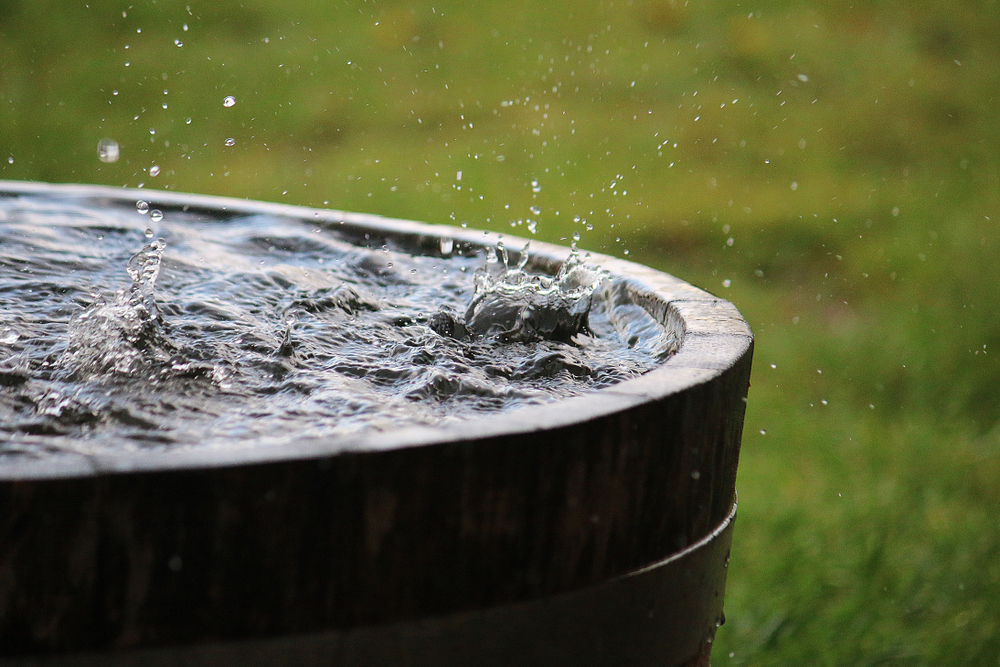
Rainwater harvesting is a practical way to collect and store rainwater for reuse around your property. It can help reduce mains water use, lower utility costs, and support a more sustainable approach to drainage and water management.
For homes, commercial sites, and larger developments, a well-designed rainwater harvesting system can provide a reliable supply of water for a range of non-potable uses, such as garden irrigation, toilet flushing, and cleaning.
In this rainwater harvesting guide, we explain how a rainwater harvesting system works, the main components involved, the benefits of installation, and the maintenance needed to keep the system running efficiently.
At Logical Drainage Solutions LTD, we provide tailored drainage and water management solutions, including support with rainwater harvesting system design and installation.
Why Is Rainwater Harvesting Important?
A rainwater harvesting system offers both environmental and practical benefits, especially where water efficiency and surface water management are priorities.
Water Conservation
Rainwater harvesting reduces reliance on mains water by using rainfall that would otherwise run off roofs and surfaces. This can be especially useful during dry periods or when water demand is high.
Reduced Water Bills
By using harvested rainwater for suitable non-potable tasks, property owners can reduce the amount of treated mains water they use, which can lead to long-term cost savings.
Lower Environmental Impact
A rainwater harvesting system can help reduce demand on public water supplies and lower the volume of surface water entering drains during rainfall. This supports a more sustainable drainage strategy.
Naturally Soft Water for Non-Potable Use
Rainwater is naturally soft, which makes it useful for applications such as watering plants, washing vehicles, and some cleaning tasks.
Better Drought and Water Restriction Resilience
Stored rainwater provides an alternative water source when hosepipe restrictions or supply pressures affect mains water use.
What Is a Rainwater Harvesting System?
A rainwater harvesting system collects rainwater, usually from a roof, filters it, stores it in a tank, and then distributes it for reuse.
The system is designed to capture water that would normally be lost as runoff and make it available for planned uses around the property.
Most domestic and commercial rainwater harvesting systems are used for non-potable applications, including irrigation, toilet flushing, and external cleaning.
What Are the Main Components of a Rainwater Harvesting System?
A reliable rainwater harvesting system depends on the right components being selected and installed correctly. Each part plays an important role in water collection, filtration, storage, and delivery.
Catchment Area
The catchment area is the surface used to collect rainwater, most commonly the roof of a property. Roof size and material can affect how much water can be collected and the quality of runoff.
Conveyance System
Gutters and downpipes carry rainwater from the roof to the storage system. These components need to be correctly sized and kept clear to maintain good flow.
First-Flush Diverter
A first-flush diverter directs the initial runoff away from the tank. This helps reduce the amount of debris, dust, and contaminants entering the storage system after dry periods.
Filtration System
Filters and screens remove leaves, grit, and other particulates before water enters the tank. Proper filtration helps improve water quality and protects pumps and pipework.
Storage Tank
The storage tank holds harvested rainwater until it is needed. Tanks are available in different sizes and materials, including plastic, concrete, and steel, depending on the site and usage requirements.
Distribution System
Pumps and pipework deliver stored rainwater to the point of use. The distribution system should be matched to the intended uses and water demand.
How Is a Rainwater Harvesting System Designed and Installed?
A good rainwater harvesting installation starts with proper planning. At Logical Drainage Solutions LTD, we tailor each system to the property, usage needs, and site conditions.
Site Assessment
We assess the property to understand roof catchment area, drainage layout, likely rainfall capture, and how the harvested water will be used.
System Sizing
Correct sizing is essential for performance. We calculate suitable tank capacity and system specifications based on expected water demand and collection potential.
Component Selection
We recommend durable, high-quality components designed for reliable long-term performance, including suitable filtration, storage, and pumping equipment.
Professional Installation
Our experienced team installs the system efficiently and in line with project requirements, ensuring all components work together properly.
Maintenance and Aftercare Guidance
We provide clear guidance on system maintenance so your rainwater harvesting system remains efficient and dependable over time.
What Can Harvested Rainwater Be Used For?
Harvested rainwater is suitable for a wide range of non-potable uses across domestic and commercial settings.
Garden and Landscape Irrigation
Rainwater is ideal for watering plants, lawns, borders, and landscaped areas, making it one of the most common uses for a rainwater harvesting system.
Toilet Flushing
Using harvested rainwater for toilet flushing can significantly reduce mains water use in homes and commercial buildings.
Car Washing and External Cleaning
Soft rainwater can be useful for washing vehicles and outdoor surfaces, helping reduce spotting and making better use of a free water source.
Laundry Use
In some systems, harvested rainwater can be used for laundry applications, subject to suitable system design and filtration.
Pond and Water Feature Top-Ups
Harvested rainwater can also be used to top up ornamental ponds and water features where appropriate.
What Maintenance Does a Rainwater Harvesting System Need?
Regular maintenance is important for protecting water quality and keeping the system working efficiently. A well-maintained rainwater harvesting system will typically perform better and last longer.
Clean Gutters and Downpipes
Leaves and debris should be removed regularly to prevent blockages and reduce contamination entering the system.
Check the First-Flush Diverter
The first-flush diverter should be inspected to make sure it is clear and working correctly.
Inspect Filters and Screens
Filters and screens should be cleaned or replaced as needed to maintain water flow and water quality.
Inspect the Storage Tank
The tank should be checked periodically for sediment build-up, damage, or other issues that may affect storage and performance.
Check Pumps and Pipework
Inspect pumps, fittings, and pipework for leaks, pressure issues, or faults, and deal with problems early to avoid larger repairs.
Why Choose Logical Drainage Solutions LTD for Rainwater Harvesting?
At Logical Drainage Solutions LTD, we provide practical, site-specific support for rainwater harvesting systems and sustainable drainage solutions.
We focus on:
- Tailored system design
- Reliable component selection
- Professional installation
- Practical maintenance guidance
- Long-term system performance
Whether you are looking at a small domestic setup or a larger site solution, we can help you plan a rainwater harvesting system that suits your property and intended use.
Plan Your Rainwater Harvesting System with Logical Drainage Solutions LTD
Installing a rainwater harvesting system is a smart step if you want to reduce mains water use, improve sustainability, and make better use of rainfall on your property.
With the right design, installation, and maintenance, rainwater harvesting can deliver long-term value for homes, businesses, and development sites.
Contact Logical Drainage Solutions LTD to discuss your project and get expert advice on the right rainwater harvesting system for your needs.