Petrol Interceptor Cleaning and UK Legislation
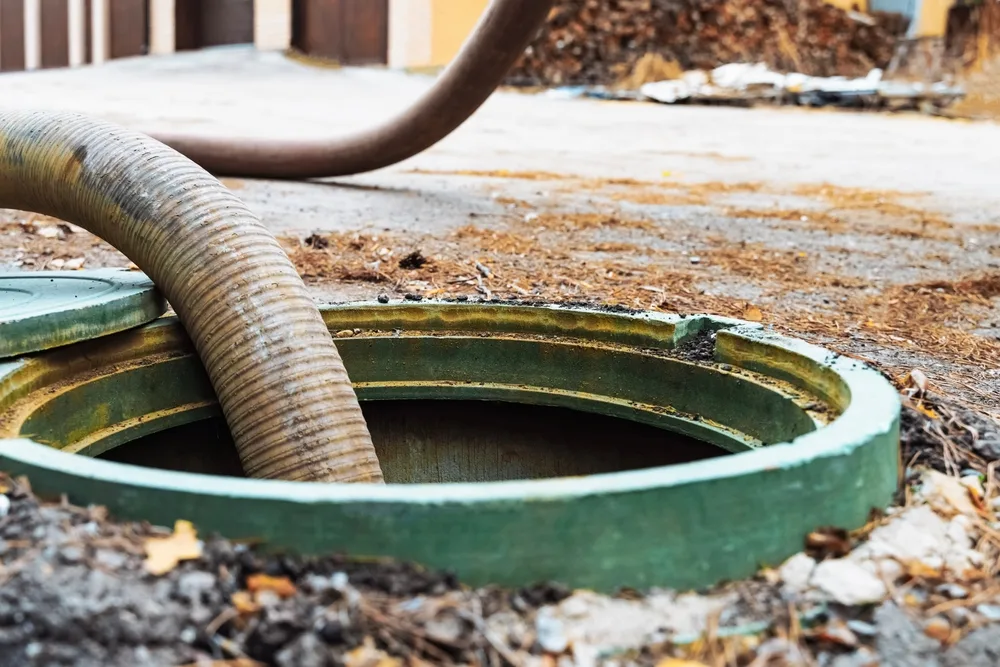
Petrol interceptors, also known as oil separators, and fuel interceptors are crucial for preventing oil and other hazardous substances from entering drainage systems and waterways. Petrol interceptors are typically found in areas where there's a high potential for vehicle or plant-related leaks, like petrol station forecourts, car parks, garages, distribution depots, factories, and car or truck washes maintenance and adherence to UK legislation are essential for ensuring their effectiveness and environmental compliance.
How do Petrol Interceptors work?
Petrol interceptors work by separating oil and water in a series of chambers, allowing cleaner water to flow out while trapping the oil and any other pollutants.
- 1. Contaminated Water Entry: Contaminated water containing oil, petrol, or other pollutants flows into the first chamber of the interceptor. This water may come from surfaces like roads, car washes, or vehicle maintenance areas.
- 2. Separation: Within the chambers, the oil, being less dense than water, floats to the surface while any sediment settles to the bottom.
- 3. Clean Water Out: The cleaner water in the middle of the chambers is then allowed to flow out through a drain or outlet, typically to the main sewer system.
- 4. Pollutant Retention:The oil, along with any trapped solids, is retained within the interceptor.
5. Vapor Release: Any trapped vapors or gases generated during the separation process are released through vents attached to the chambers.
Importance of Petrol Interceptor Cleaning
Regular cleaning of petrol interceptors is necessary to:
- Prevent blockages and ensure optimal performance.
- Remove accumulated oil, sludge, and debris.
- Avoid contamination of drainage systems and water sources.
- Comply with environmental regulations and prevent potential fines.
UK Legislation and Guidelines
Several regulations and guidelines govern the installation, maintenance, and cleaning of petrol interceptors in the UK. Key legislation includes:
- Environmental Permitting Regulations 2016: These regulations aim to prevent and control pollution from industrial activities, including the discharge of oil and other hazardous substances.
- Water Resources Act 1991: This act protects water resources and prevents pollution of waterways.
- Building Regulations 2010: These regulations set standards for drainage systems, including the requirements for petrol interceptors in certain applications.
Best Practices for Petrol Interceptor Cleaning
- Schedule regular inspections and cleaning based on usage and capacity.
- Engage licensed waste carriers for the disposal of collected waste.
- Maintain records of cleaning and maintenance activities.
- Ensure compliance with local water authority requirements.